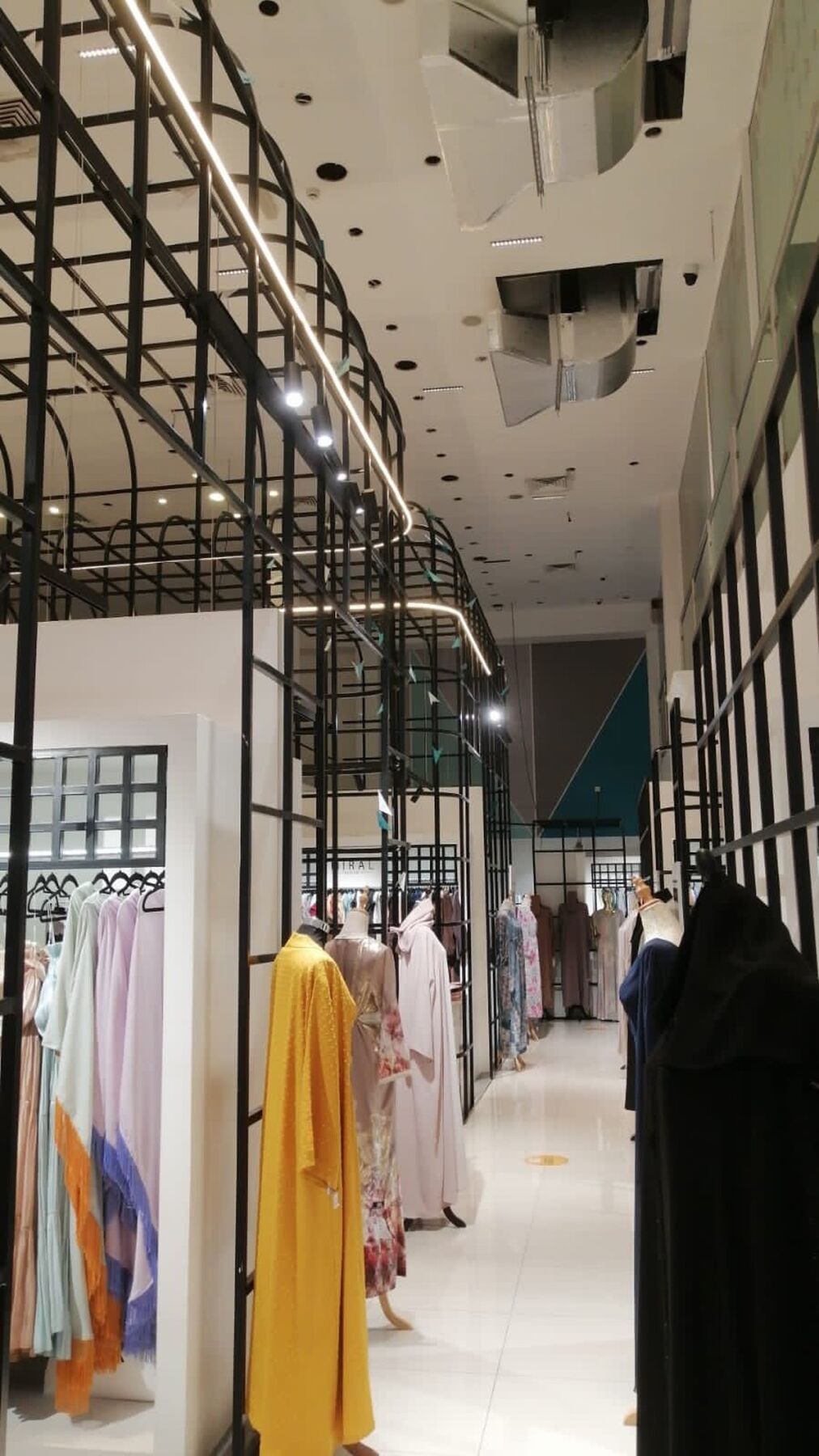
It's the first question almost every client asks, and the hardest to answer in one number: how much does professional lighting design cost? The honest answer is that a lighting design fee is not a price tag on a product — it's the cost of engineering how a space feels after dark. This guide breaks down what you're actually paying for, the pricing models used across Saudi Arabia and the UAE, and the factors that move the number up or down.
Lighting design is a service, not a shopping list
There's an important distinction that shapes every quote: buying light fixtures is not the same as designing light. A supplier sells you products. A lighting designer decides where light falls, at what intensity, in which color temperature, and how it layers across a room so the architecture reads the way it was meant to. The fixtures are the last step — the design is everything that happens before you buy a single one.
That's why two villas of the same size can carry very different design fees, and why a good lighting plan often saves money overall: it prevents over-buying fixtures, reduces wasted energy, and avoids the costly rework of fixing glare, dark corners, or the wrong mood after everything is installed.
What a lighting design fee actually covers
When you commission a lighting design, you're paying for a structured process, not a drawing. A full scope typically includes:
- Concept & mood direction — how each space should feel, mapped to how it will be used.
- Technical lighting layout — fixture positions, beam angles, mounting details, and circuiting.
- Fixture specification — selecting the right products for output, color temperature (e.g. a warm 3000K), and color rendering (CRI).
- Lux & calculation work — making sure light levels are correct for each task and surface.
- Control & dimming design — scenes, zones, and how the space transitions from day to night.
- Coordination — working alongside your architect, interior designer, and electrical contractor.
- Site supervision — checking that what was designed is what gets installed and aimed correctly.
A quote that only covers a layout drawing is cheaper — and usually more expensive in the end, because the hardest value is in specification, calculation, and on-site supervision.
The four main pricing models
1. Fixed fee per project
The most common model for homes and defined commercial spaces. You get one agreed price for a defined scope. Best when the project brief is clear.
2. Fee per square metre
Used on larger projects — the fee scales with the area to be lit. Simple to compare across bidders, though it can under-price complex, detail-heavy rooms.
3. Percentage of the lighting budget
The design fee is a percentage of the total spend on fixtures and controls. Common on high-end residential and hospitality work where the fixture budget is significant.
4. Hourly or consultation rate
Best for advisory work, a second opinion, or a small, well-defined task rather than a full project.
Indicative ranges by project type
Every project is different, so treat these as broad orientation, not a quote. In the Saudi and UAE market, design fees generally scale with three things: the size of the space, the complexity of the architecture, and the level of finish you're aiming for.
- Villas & palaces — the widest range, because scope varies from a single majlis to a full estate with façade and landscape lighting.
- Hospitality (restaurants, hotels) — priced on experience and atmosphere; lighting is core to how the venue performs commercially.
- Retail — often measured by return: the right lighting demonstrably lifts footfall and sales, so the fee is weighed against revenue.
- Landscape & façade — depends on the number of features, throw distances, and weatherproofing required.
The most reliable way to know your number is a short project brief and a conversation — which is exactly why we offer fixed, transparent design packages.
What raises or lowers your cost
- When you bring the designer in. Early (at the architecture stage) is cheaper and better than late (after finishes are chosen).
- Scope of control & automation. Simple switching costs less than full scene-based smart control.
- Level of detail. Cove lighting, art accenting, and façade work add design time.
- Documentation depth. A tender-ready package with full calculations costs more than a concept sketch — and is worth it on serious projects.
- Site supervision. Including installation oversight protects the whole investment.
How to get an accurate quote
The fastest path to a real number is to share the basics: the type of space, its approximate area, your city, whether it's a new build or a renovation, and the mood you're after. From there we can recommend the right package and give you a clear, fixed price — no guesswork.
Tell us about your project and we'll prepare the right lighting solution for it.
Frequently asked questions
Is lighting design worth it for a private villa?
Yes — especially for villas and palaces, where lighting defines how every space feels and how the façade reads at night. A considered plan also prevents over-buying fixtures and costly rework.
Do you charge separately for the fixtures?
The design fee and the fixtures are separate. The design tells you exactly what to buy and why; the fixtures are purchased on top, and good design often reduces that spend.
Can I hire you for just a consultation?
Yes. We offer advisory and consultation scopes for clients who want expert direction without a full design package.
Do you work in both Saudi Arabia and the UAE?
Yes. We work from studios in Riyadh and Dubai and deliver projects across both countries.